Prediabetes to Type 2 Diabetes Prediction

Tool for predicting Type 2 Diabetes occurrence.

Glucose RiskDemonstration skillFor users and care teams
by@polyusn-team
Blood sugarPreventionEarly screening
Back to catalog

Learn what this skill does

This skill gives users a simpler way to understand a health-related task before moving into technical details.

Best for

  • General education
  • Early screening support
  • Care conversations

How it helps

  • Explains the purpose of the skill in plain language
  • Makes results easier to understand
  • Supports better follow-up questions

This tool should be used as support information rather than a final medical answer.
FocusGlucose Risk
TypeRisk support skill
Best used withClinical follow-up

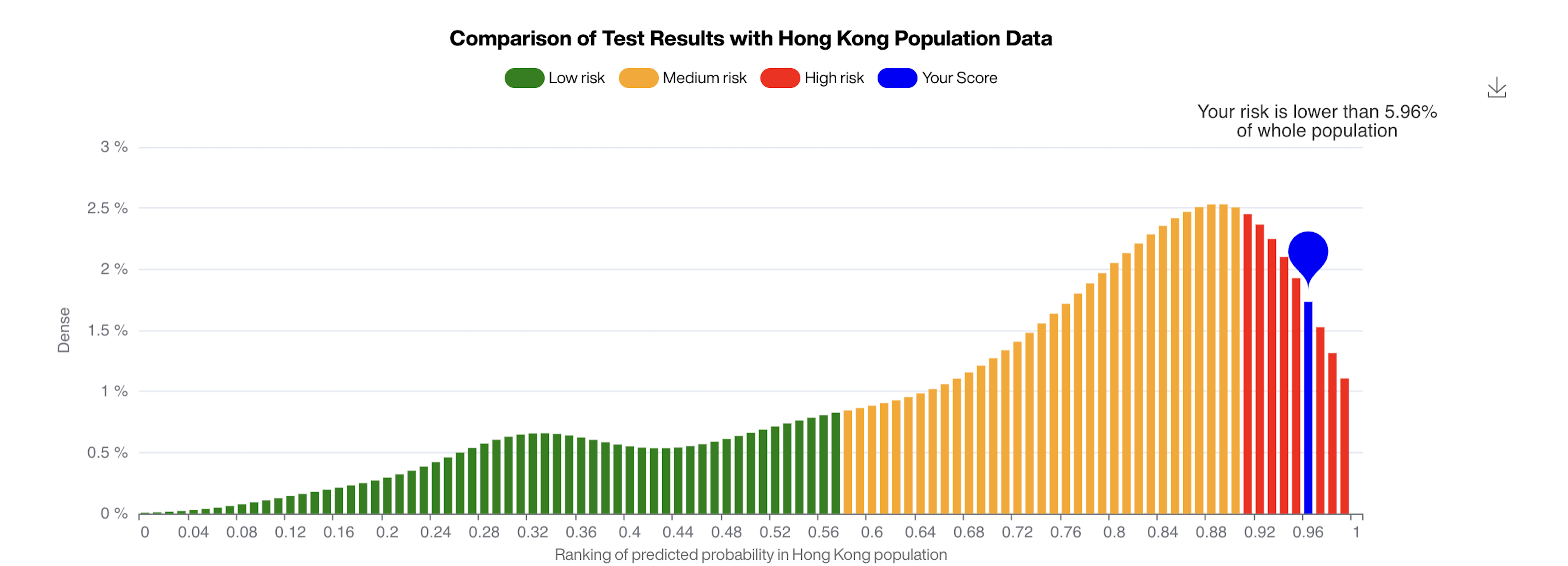
Prediabetes screening demonstration

Research demonstration only - not for clinical use.

Patient inputs
Sex
READMEFilesVersions

Prediabetes to Type 2 Diabetes Prediction

Tool for predicting Type 2 Diabetes occurrence.

Precision Population Management & Early Intervention

Data Foundation & Validation

  • 17-Year Longitudinal EHR Dataset: Built on nearly two decades of Electronic Health Record (EHR) data from Hong Kong, providing deep clinical history and authentic progression patterns.
  • Real-World Clinical Evidence: Utilizes authentic patient records from diverse medical environments rather than controlled clinical trials alone.
  • Global Cross-Validation:
    • UK Biobank: Validated against large-scale European cohorts to ensure accuracy in Western clinical settings.
    • CHARLS Validation: Successfully tested with the China Health and Retirement Longitudinal Study for high sensitivity in Asian demographics.

Predictive Capabilities

  • Multi-Temporal Risk Horizons: The model forecasts the transition from prediabetes to Type 2 Diabetes across three key windows:
    • 2-Year Outlook: Identifies immediate clinical priorities.
    • 5-Year Forecast: Enables strategic lifestyle intervention planning.
    • 10-Year Prediction: Supports long-term population health monitoring.

prediabetes

Clinical Impact & Strategy

  • Automated Risk Stratification: * Efficiently categorizes patients into Normal, High Risk, Prediabetes, and Diabetes tiers.
    • Focuses high-cost medical resources on the 65% of the population identified as high-priority.
  • Ecosystem Integration:
    • HIS Integration: Directly embeds into Hospital Information Systems for real-time risk scoring during consultations.
    • mHealth & AI: Powers patient apps with personalized milestones and automates chronic disease management workflows.

Key Strategic Advantages

  • Precision Allocation: Targets resources toward patients with the highest probability of disease progression.
  • Empowered Education: Delivers personalized, risk-specific health education that resonates with individual patient journeys.
  • Operational Efficiency: Minimizes administrative burden by automating manual screening processes via AI.
  • Economic Sustainability: Reduces long-term healthcare costs by preventing complications through proactive care.